

Food, like medicine, can prevent and cure diseases, which is open to new interpretation nowadays. Specific types of food or diet are deemed to have the impact of affecting health and disease.
Lipids are metabolites of an individual's diet and metabolic pathways. Accurate measurement of all lipids within a single biological fluid, tissue, or cell type through MS‐based lipidomics can effectively establish the association between diet and health.
- The influence of diet on lipid metabolism in healthy condition
- Circulating lipid levels are affected by diet fat;
- Sixteen healthy men were randomly assigned to eat dairy-based foods or soy oil-based foods for breakfast. As indicated by LC-ESI-MS/MS analysis of postprandial plasma samples from the subjects, there were significant changes in 316 lipids molecular species, such as SP, PL, GL, and ST, 4 hr after breakfast. Ether-linked PL, plasmalogens, SM, dihexosyl-Cer, and GM3 GLS increased after dairy-based foods but decreased after soy-based foods.
- Insights into the effects of diet on disease
Lipid homeostasis plays an important role in maintaining health, while disordered lipid metabolism may lead to a variety of diseases, such as inflammation, metabolic syndrome (MetS), CVD, neurodegenerative diseases, and cancer. In recent years, many studies have found that diet has great potential in promoting health and delaying the development of these diseases via changes in lipid metabolism.
| Inflammation | Dietary supplementation with marine ω-3 PUFAs can effectively reduce proinflammatory ω-3 and ω-6 lipid mediators. |
| Obesity |
|
| Metabolic syndrome | It was found that a healthy Nordic diet affected plasma lipidomic profile of MetS subjects, with an increase in antioxidative plasmalogens and a decrease in insulin resistance-inducing CerT. |
| Cardiovascular disease | The levels of fatty acids and GLs in the heart of mice on atherogenic diet varied depending on the degree of unsaturation, with higher percentage of palmitic acid (16:0), stearic acid (18:0), and DAG (36:0) in mice on an atherogenic diet than those on a normal diet. |
| Cancer |
|
Creative Proteomics provides comprehensive food untargeted lipidomics services from lipid extraction, lipid detection and data analysis for biomedical research institutions, biotechnology and pharmaceutical companies.
Our Services
- Sample
We routinely cover a rich variety of sample types, including cells, conditioned medium, subcellular compartments, exsome, tissue, blood, plasma, breast milk, skin, urine, fecal for our customer. Still, our services require only minimal sample amounts per analysis.
- Our Process
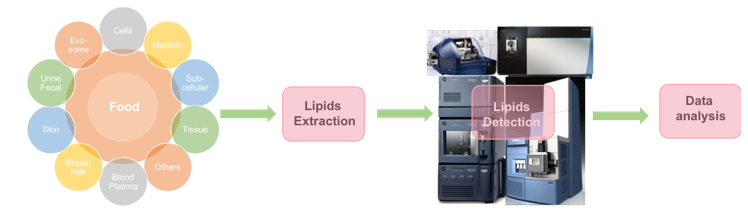 Fig1. The protocol workflow of food untargeted lipidomics in nutrition and human health. (Creative Proteomics)
Our Advantages
- Creative Proteomics provide excellent lipidomics services with low prices and fast turnaround times. Send us your samples and recive results in 2-4 weeks.
- High resolution, high mass accuracy instrumentation to provide credible results.
If you have any questions about our food untargeted lipidomics services, welcome to contact us.
Reference:
- Sun, T.; et al. Mass spectrometry‐based lipidomics in food science and nutritional health: A comprehensive review. Comprehensive Reviews in Food Science and Food Safety. 2020, 19.5: 2530-2558.