

Phosphatidylinositol (PI) is an important lipid, both as a membrane constituent and as a participant in essential metabolic processes in all plants and animals, both directly and via a number of its metabolites.
Phosphatidylinositol is especially abundant in brain tissue, where it can amount to 10% of the phospholipids, but it is present in all tissues, cell types and membranes at relatively low levels in comparison to many other phospholipids. But it plays an important role in cell morphology, metabolic regulation, signal transduction and various physiological functions of cells.
Phosphatidylinositol (PI) was recently demonstrated to be critical in plant signal transduction processes such as gene expression, hormone function, cell differentiation, transduction of intracellular signaling molecules, control of cell responses to environmental factors, regulation of ion-channel gating, energy metabolism and rearrangement of cytoskeleton.
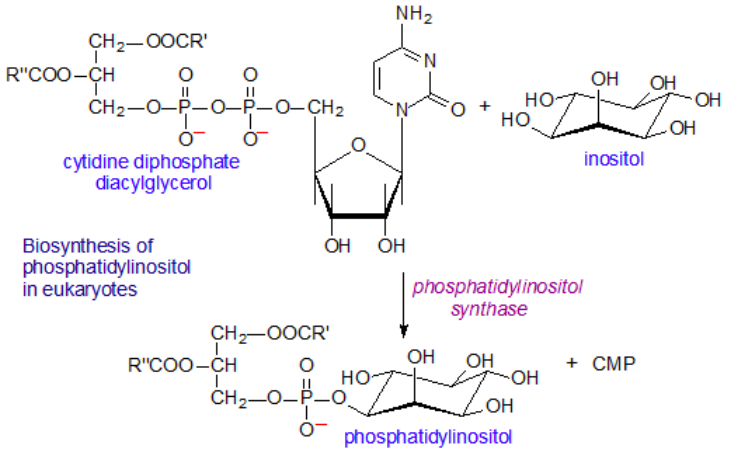
Creative Proteomics provides you with efficient and accurate qualitative and quantitative detection services and the fatty acid composition analysis of phosphatidylinositol through advanced chromatography and mass spectrometry platforms.
Our Phosphatidylinositol Analysis Service
Absolute quantification: Use external standard method to quantify, and use internal standard for correction, qualitative and quantitative is more accurate.
High sensitivity: We use liquid chromatography coupled with triple quadrupole mass spectrometers for phosphatidylinositol analysis service (Triple Quad™ 6500 LC-MS/MS System).
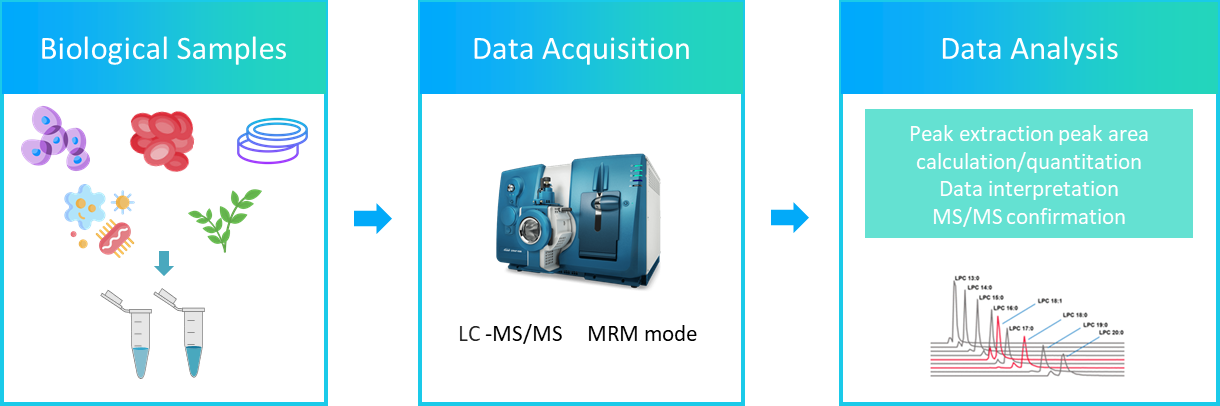 Fig 2. The workflow of phosphatidylinositol analysis service
Sample Requirements
We routinely cover a rich variety of sample types, including animal and plant tissues, microorganisms, serum, cells, cell medium, et al. for our customer.
The samples should be stored at -80°C and shipped on dry ice.
Why Choose Us?
- Fast turnaround time: 1-4 weeks.
- Creative Proteomics offers a comprehensive profiling of PI that satisfy a variety of purposes. LC/MS platform enables more sensitive and selective assay of glycerophospholipids measurement.
- High throughput: Only one injection can run both quantitative MRM and qualitative QTRAP scans to maximize throughput.
- One-stop analysis service: Provide comprehensive services from sample preparation, standard addition, mass spectrometry analysis, data processing, and data comparison.
- Detailed report: Experimental process, MS/MS instrument parameters, quality control parameters, raw data and the final result of the comparison.
- We will use our expertise to help you interpret the results and provide you with actionable recommendations on how to utilize these results in your research or business.
If you have any questions about our phosphatidylinositol detection service, please contact us.
Reference:
- LIN, W.; et al. DNA chip-based expression profile analysis indicates involvement of the phosphatidylinositol signaling pathway in multiple plant responses to hormone and abiotic treatments. Cell Res. 2004,14, 34–45.